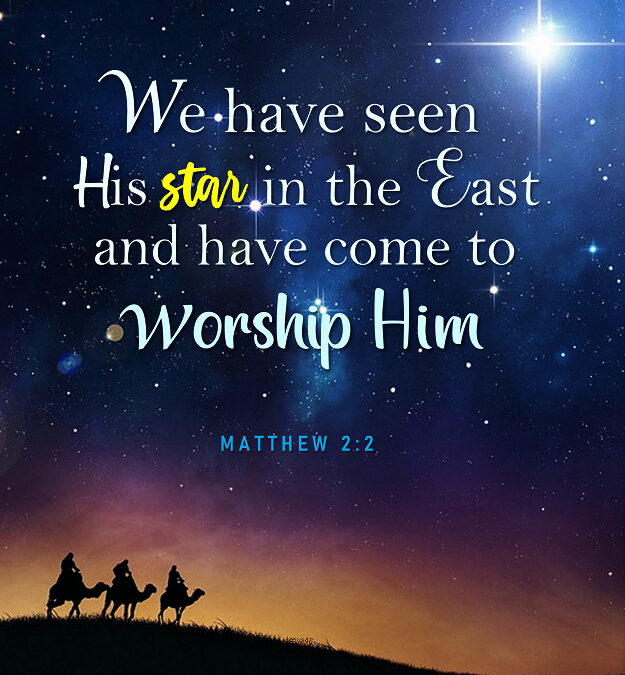
What’s interesting about Matthew’s account about the birth of Jesus is that there are no details given about the actual birth— no recorded journey to Bethlehem, no manger and no shepherds. Instead, the worship of Jesus receives primary emphasis. This theme of worship is bookended in the gospel of Matthew, as the final verses at the end of the gospel record that the 11 disciples met the Risen Christ on a mountain in Galilee and worshipped him.
It is true, however, that the biblical definition of worship is often misunderstood. Many think that worship is something you do in a church service, most particularly singing praises to God or maybe even praying while kneeling in a pew. Here is a helpful definition of worship—”Worship is a faith-filled reverent response to God’s revelation of himself as Creator and Redeemer, which is always expressed by a sacrificial offering.”
So when the Bible is consulted, the concept of worship is wrapped up with loving God and fearing God by offering up all of our lives for his purposes. Accordingly, the birth account in the gospel of Matthew should cause us to examine whether our response to the birth of Christ and even our entire lives, can be classified as worship. In doing so, we will discover that a main hindrance to this worship is viewing Christ as a threat to our desires and perceived needs. This is what Christ does, even in the time around his birth, namely that he places a fork in the road that requires a choice in which to direct the worship of our hearts.
The Worship of the King of the Jews